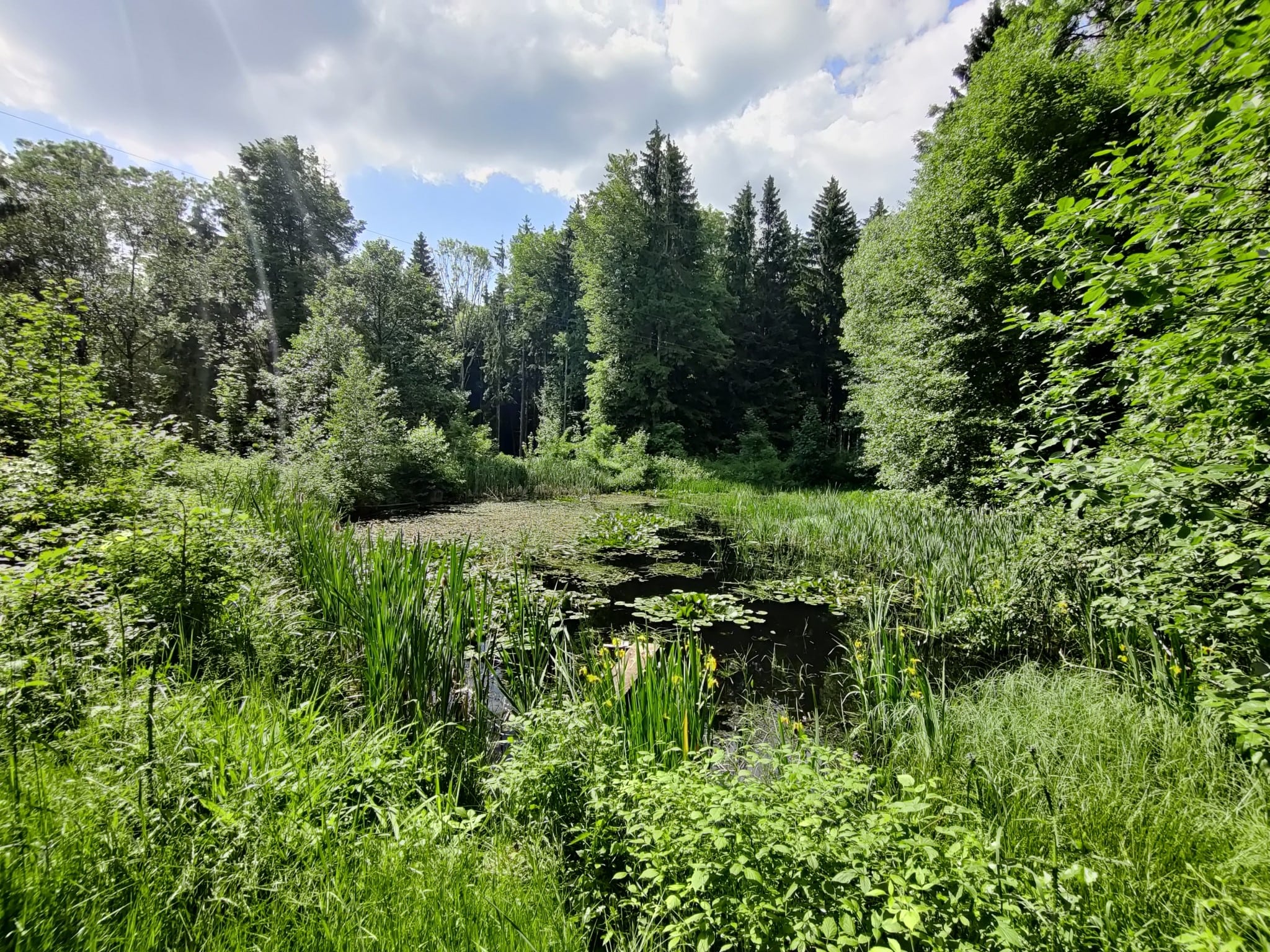
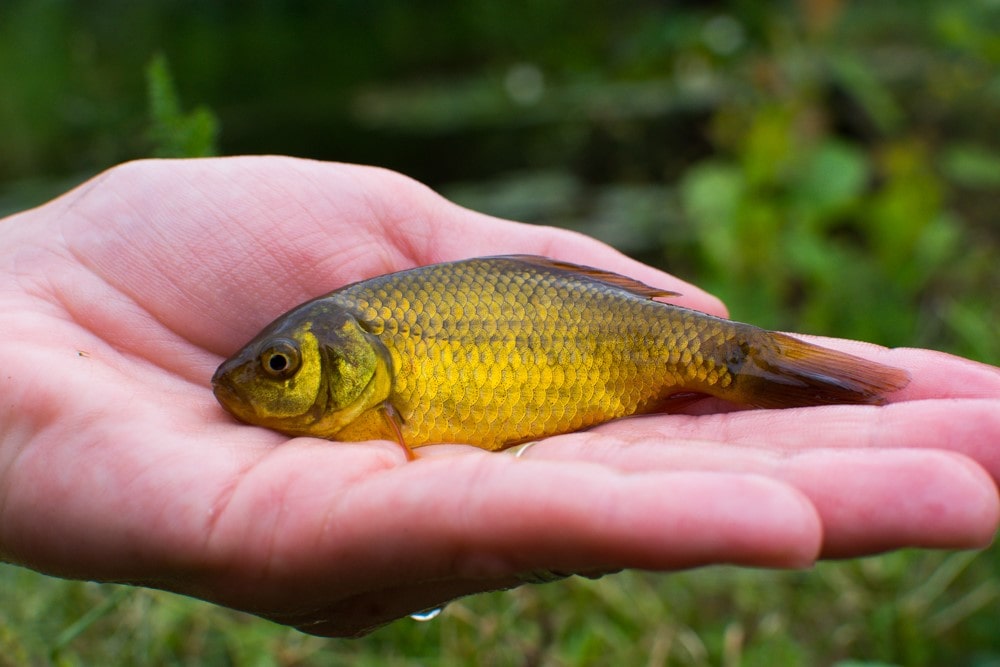
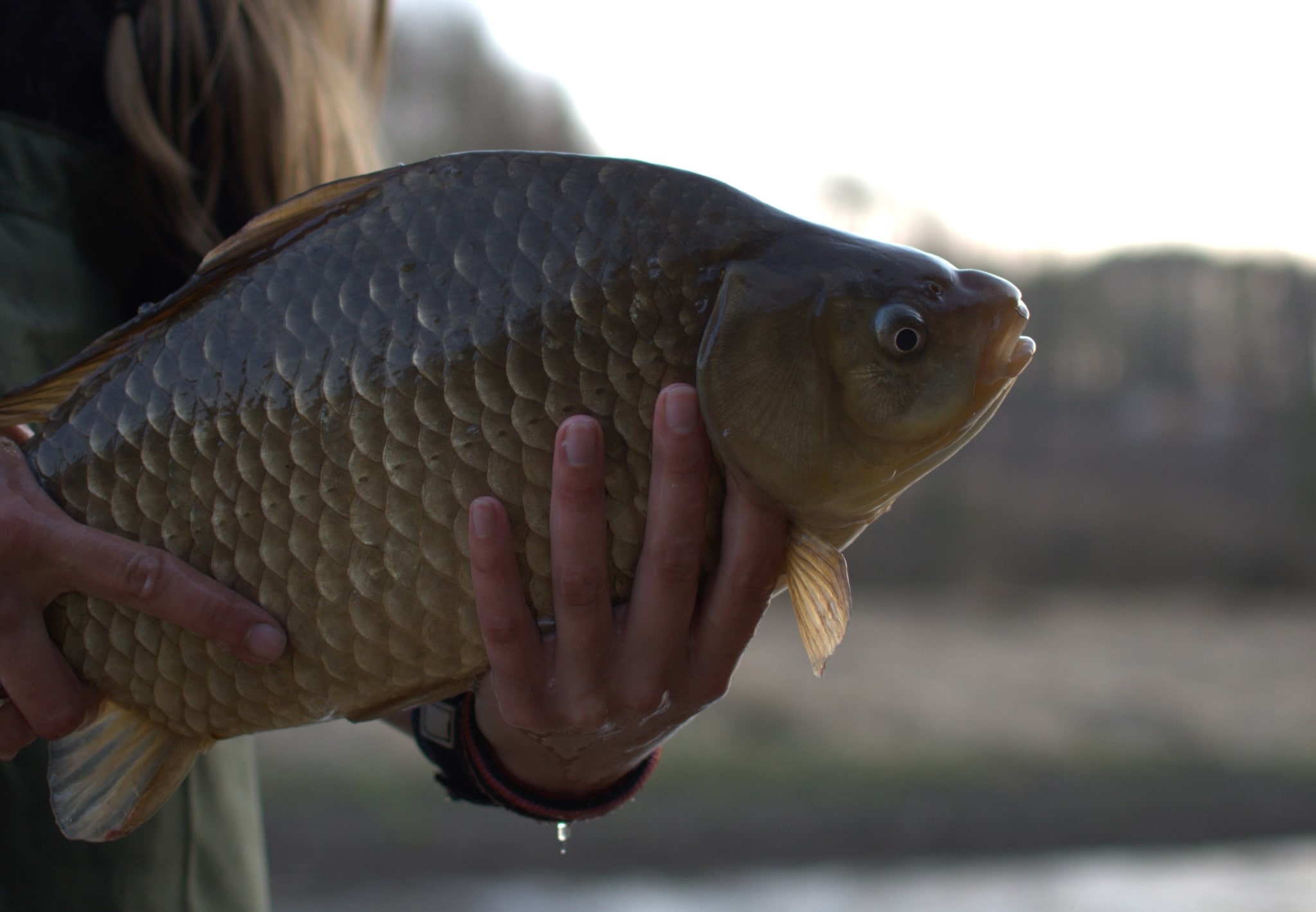
Do you know of a place where a sunbleak or a weatherfish lives? Help us protect them!
Every new observation can help to protect them.
Sunbleak - once a common fish, now a critically endangered species
The sunbleak (Leucaspius delineatus) is one of our native small fish and was quite common in the Czech landscape only a few decades ago. In large shoals, it inhabited the oxbows of rivers and pools, from where it spread to ponds, similar to the once widespread crucian carp. Today, however, it has completely disappeared from many places and is increasingly rare to encounter.
The decline of the sunbleak is confirmed by its inclusion on the Red List of Threatened Species of the Czech Republic. While it was listed as Near Threatened in 1995, its situation has gradually deteriorated to its current status of Critically Endangered. Although it is still considered a species of low concern globally according to the IUCN, in many European countries its populations have declined to historic lows.
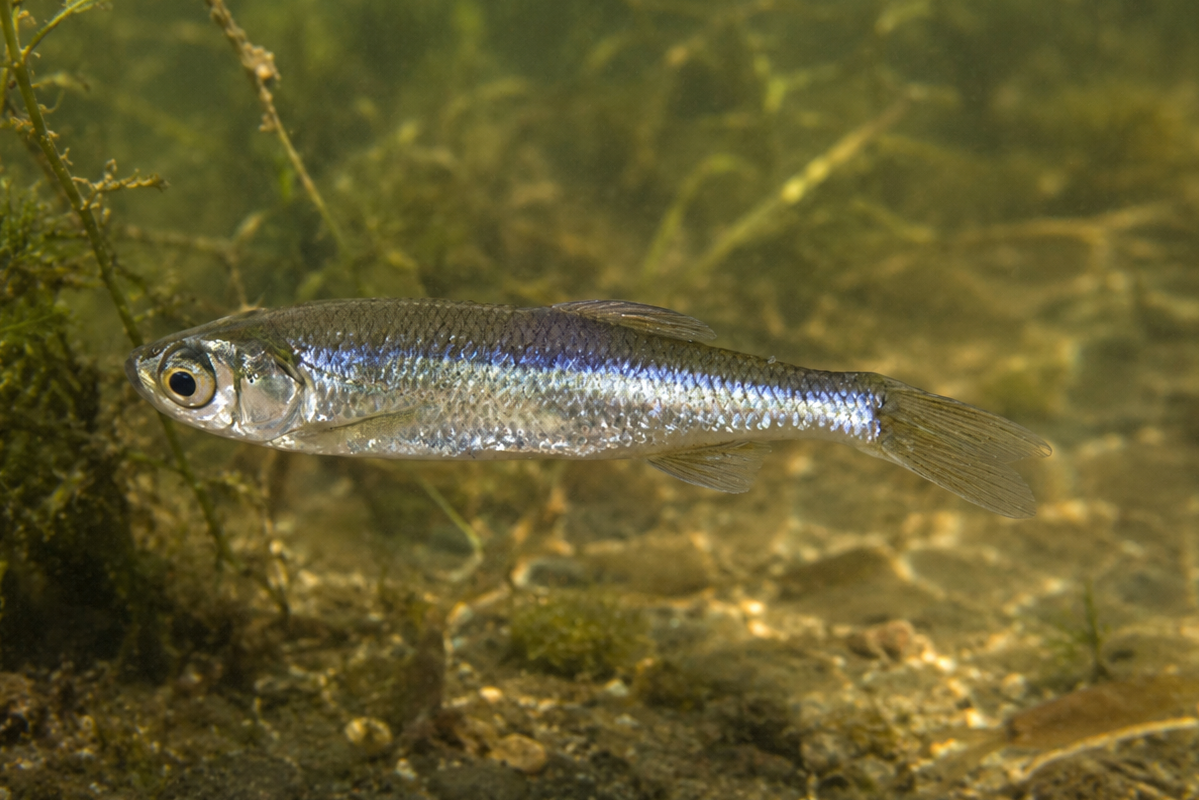
Sunbleak in their natural habitat of shallow waters.
Sunbleak inhabits much of central and eastern Europe. It can be found from the Rhine River to the Volga basin. In the north it extends into southern Sweden, in the south it is found in the Black Sea basin (except in its southernmost part). It also lives in the areas around the western Caspian Sea and in the Aegean basin. Due to human introductions, it has spread to other countries such as France, and in places to England and Switzerland.
Previously, sunbleak was common in the Czech Republic - it was found in large numbers in many places, for example in the central Polabí region, in the South Bohemian pond systems or in rivers such as the Bečva, Dyje, Lužnice, Malše, Sázava or Tichá Orlice. Today, however, the situation is different. Both the number of places where it can be found and the size of its populations are decreasing significantly. Thus, sunbleak can be found in our country only on a few isolated „islands“ - for example, in the Lužnice and Ohře river basins, in Vysočina, Poodří or in the upper Morava basin.
Our field surveys show that sunbleak are most often found in pools, ponds and flooded quarries - quiet water places where the crucian carp often live. Most of the sites with its occurrence were recorded in the Central Bohemia, Liberec and Pilsen regions and also in Vysočina. During 2025 alone, we confirmed its presence at ten sites. To help bring sunbleak back to the Czech nature, we have already started in 2024 to stock it in a few carefully selected locations that provide suitable conditions for its life.
The life of sunbleak
Sunbleak most often stay just below the surface, especially where there is dense aquatic vegetation and minimal current. Surprisingly, it can also cope with extreme conditions: it has been found, for example, in peat bogs with very acidic water, where the temperature changes rapidly during the summer - it can rise above 30 °C during the day and drop below 10 °C at night. On the other hand, it is more sensitive to other environmental interference, such as deterioration in water quality. However, when conditions suit it, it can reproduce in large numbers - tens of thousands of individuals can live on a single hectare. Sunbleak lives in large schools, constantly moving through the water in search of food. Young fish feed mainly on plant plankton, while adult fish prefer small animals or collect insects that have fallen to the surface.
Sunbleak breed in spring, usually from April to May, when the water warms up to at least 18 °C. Females lay their eggs on the undersides of aquatic plants or on submerged branches just below the surface. A single female can lay several hundred to more than two thousand eggs. Interestingly, the male takes care of the offspring. The eggs are carefully guarded and protected from predators until they hatch after about 5 to 12 days and the young fish swim out into the surrounding area. Although sunbleak is short-lived - usually 2 to 3 years - it can reproduce very successfully under the right conditions, also thanks to up to three spawns during the season.
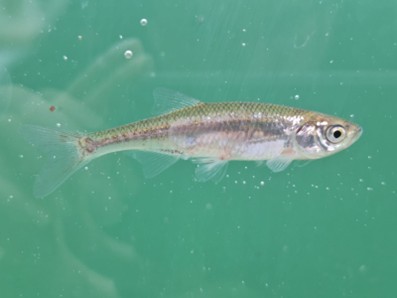
Sunbleak, a small pond fish that is now critically endangered in the Czech Republic (photo: authors).
When the landscape disappears and the invader comes: why sunbleak is retreating from Czech waters
Today, sunbleak is disappearing from the Czech landscape mainly due to changes in the environment in which it used to live. Many pools and oxbows have disappeared after river modifications and stream straightening. Another problem has been brought about by intensive pond management, which has gradually caused the disappearance of sunbleak from a large number of ponds.
Like the crucian carp, sunbleak also has a dangerous rival - the non-native topmouth gudgeon (Pseudorasbora parva). It competes with it for food and space, and also carries a dangerous fish parasite (Sphaerothecum destruens), a single-celled fish parasite affecting both salmonids and carp species. In addition, if the topmouth gudgeon overgrows, it can nibble on the protective slime and skin of other fish, causing injury and increasing the risk of further infections. If the species occur together, under most conditions, the population of topmouth gudgeon will greatly outnumber the population of sunbleak until the sunbleak disappear from the water altogether.
The topmouth gudgeon
Topmouth gudgeon is a small fish up to about 10 cm in size with an elongated body. Typical are the upper extendable mouth and the dark stripe along the lateral line, especially visible in juveniles. Their original range is East Asia, but they are now distributed almost worldwide and cause high economic and ecological losses. The topmouth gudgeon most commonly inhabits ponds where it acts as a foraging competitor to our native fish species. If they overpopulate in a locality, they can nibble the fins and skin epithelium of other fish species. At high densities (in an environment without predatory fish species), they virtually eliminate filter-feeding zooplankton in the water, resulting in very dense vegetation turbidity caused by algae and cyanobacteria that would otherwise be filtered out by zooplankton. This overgrowth impacts other organisms that require clear water, including underwater plants to which many aquatic invertebrates are attached. Thus, the topmouth gudgeon can cause considerable damage to common carp production and to pond aquaculture in general, consuming part of the food resources intended for farmed fish and negatively affecting the entire ecosystem. Unlike the gibel carp, the topmouth gudgeon is a blacklisted invasive species and therefore its occurrence and management is also regulated at national level:
The breeding, possession, sale and transport of the topmouth gudgeon is prohibited by law (EU Regulation 1143/2014 on the prevention and management of the introduction and spread of invasive alien species). It may also not be used as a food or bait fish and may not be returned to the water if caught.
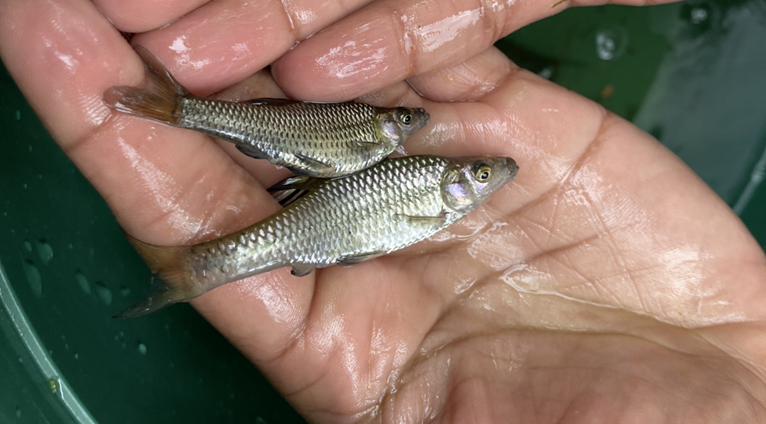
The topmouth gudgeon is now abundant not only in breeding ponds, but also in small ponds and village ponds. Its overpopulation is a major problem for the diversity of our small water bodies (photo: authors).
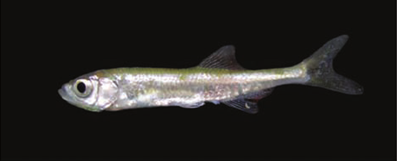
Sunbleak after parasite infestation Sphaerothecum destruens (photo: R. E. Gozlan).
Saving sunbleak: Wetland restoration and the fight against an invasive topmouth gudgeon
In order to prevent sunbleak from disappearing from Czech waters, it is necessary to protect the environment in which it can survive. An important role is played by careful, extensive pond management, which leaves space for aquatic plants and quiet shallows. Controlling the invasive topmouth gudgeon, which is displacing native fish, is also very important.
Returning rivers and wetlands to a more natural state - for example, restoring oxbows, pools and floodplains around rivers - can also help. It is such colourful and peaceful places that are ideal homes for sunbleak.
How to get to know sunbleak
- Incomplete lateral line - reaches only to the posterior edge of the pectoral fins
- Large and slightly deciduous scales
- Silvery hips with a bluish belt
- Slender, flattened body
- Edge of dorsal fin cut out
- Longer anal fin base (10-13 soft rays)
- Typical flock behaviour
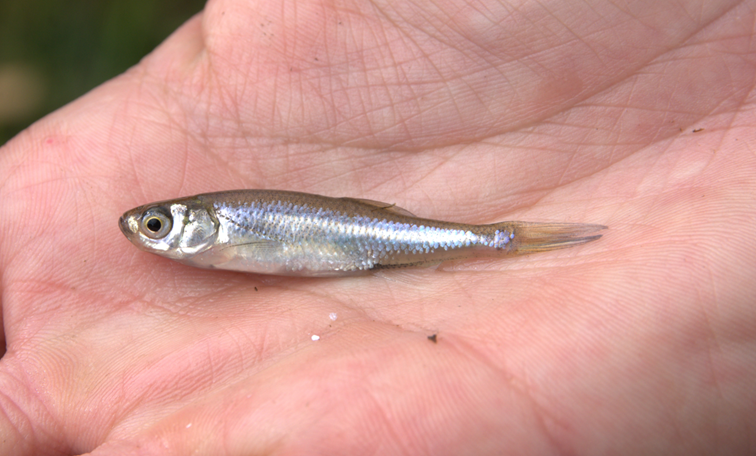
Sunbleak with silvery flanks and bluish band (photo: authors).
Possibilities of substitution
Sunbleak can be confused with species that have a similar body structure:
- The topmouth gudgeon
- Common bleak (Alburnus alburnus)
- Spirlin (Alburnoides bipunctatus)
All three species have mouth in top position and - with the exception of the topmouth gudgeon - their scales are easily loosened. But they can also be distinguished by other features.
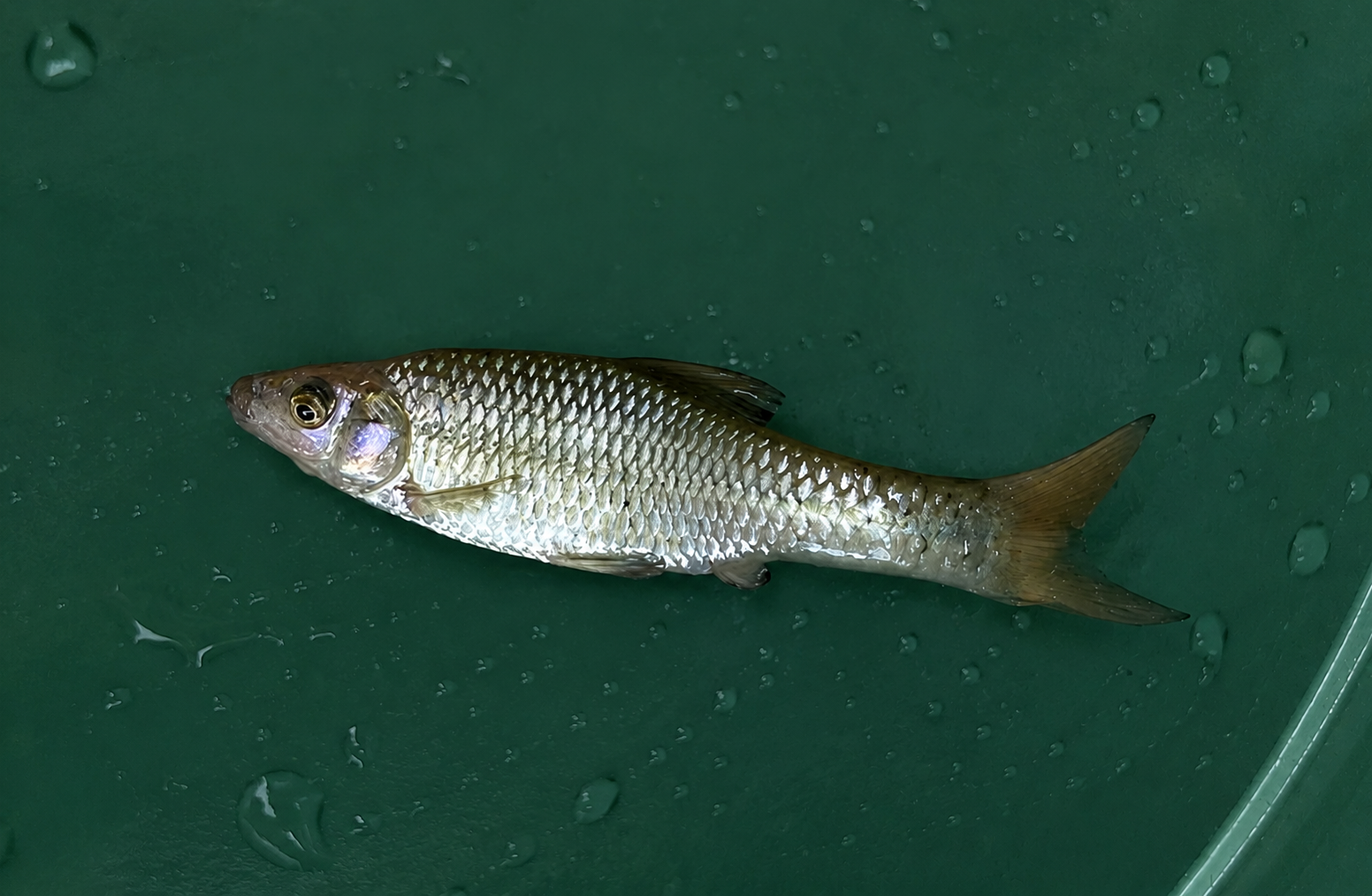
The topmouth gudgeon
- Complete lateral line
- Dark stripe along sides (young only)
- Characteristic lunate spots in caudal part of scales
- Shorter anal fin base (6 rays)
- The dorsal fin margin is not cut out
- Extendable mouth and up-turned lower jaw
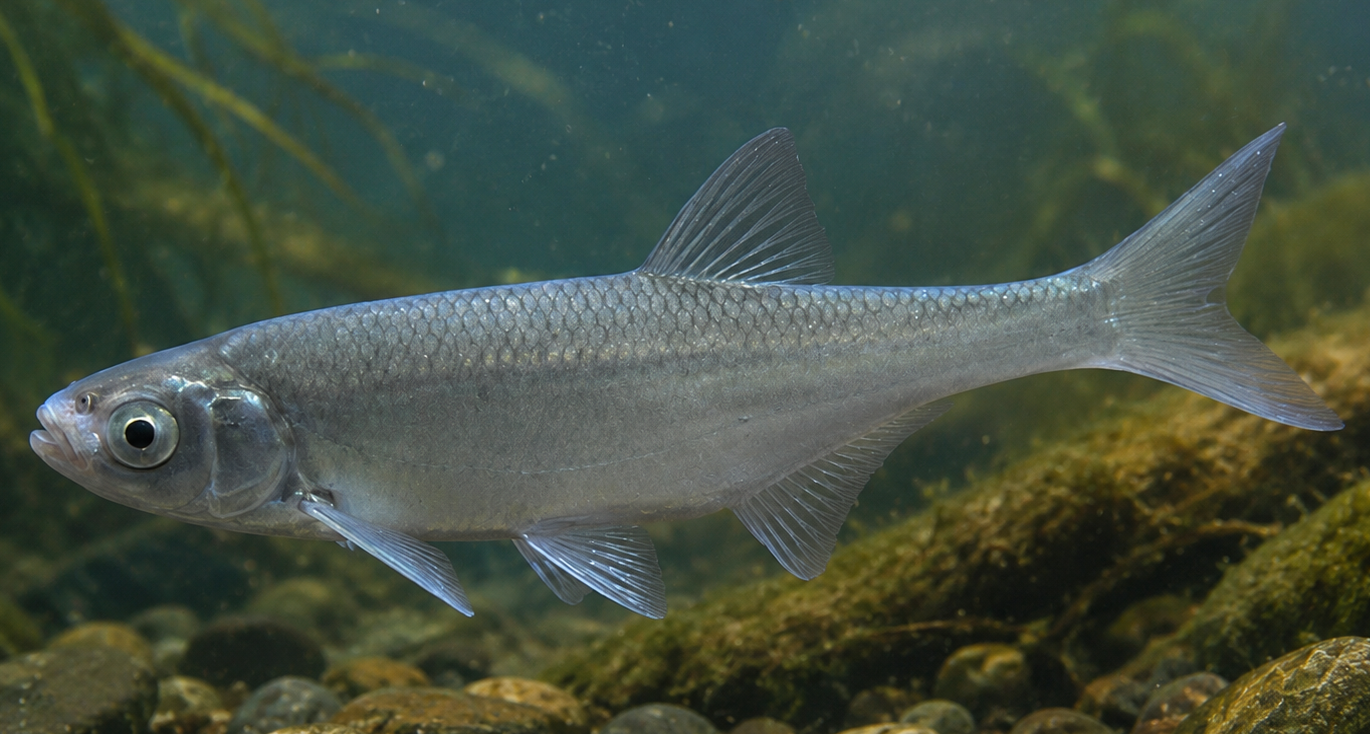
Common bleak
- Complete lateral line
- Longer anal fin base (14 - 20 rays)
- Larger size in adulthood - up to 20 cm
- The conspicuous wider bluish stripe is missing
- Back greenish grey, sides silvery white
- Behind the pelvic fins, a keel is formed which is not covered by scales along its length
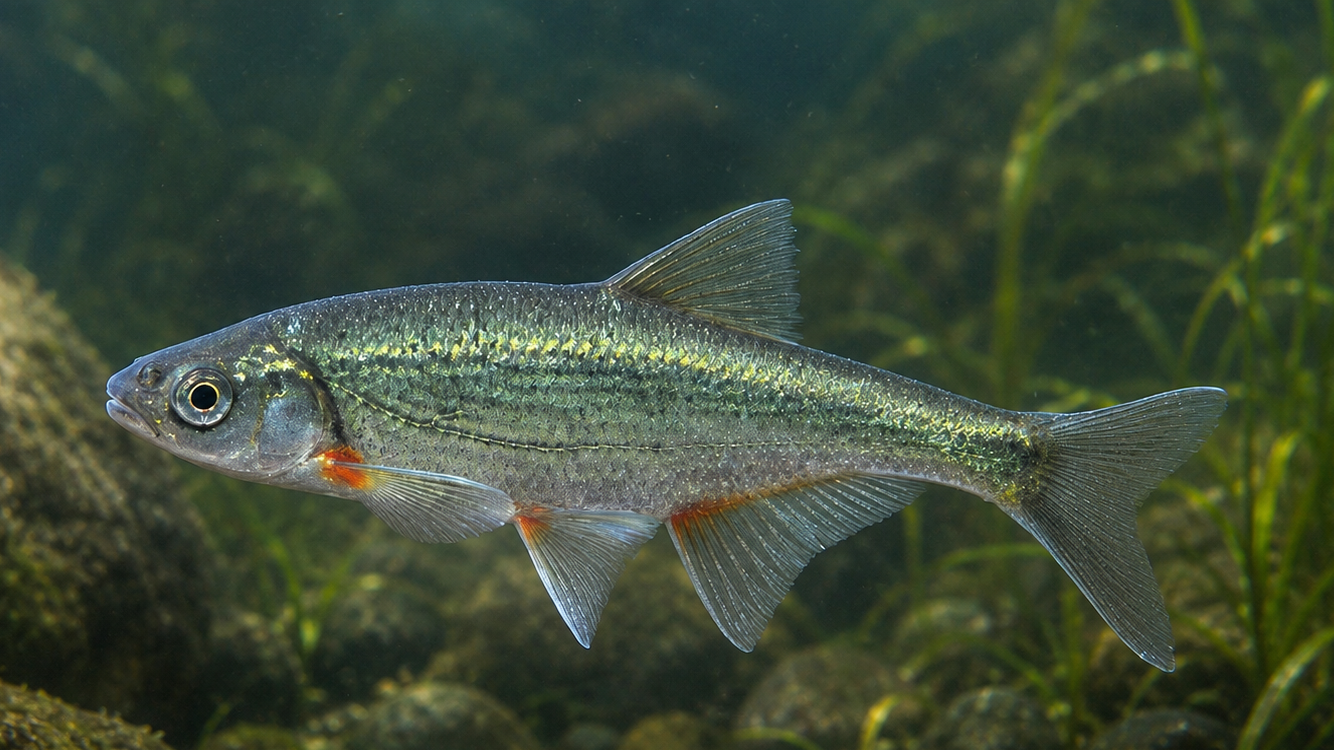
Spirlin
- The lateral line is markedly curved towards the abdomen
- Sense channels lateral lines lined with black pigmented spots
- Dark band above the sideline
- Orange base of paired and anal fins
- Larger size in adulthood
Where can I find out more
Šmejkal, M., Rektor, A., Thomas, K., Gorule, P. A., Tripathi, S. R., Stepanyshyna, Y., Ložek, F., Bláha, M., & Boukal, D. (2025). Negative impact of the invasive topmouth gudgeon (Pseudorasbora parva) on population growth of a native fish species, the sunbleak (Leucaspius delineatus). NeoBiota, 101, 223-242. https://doi.org/10.3897/neobiota.101.165877
A fish that breathes air and survives in the mud: the weatherfish
The floodplains of continental Europe used to consist of a diverse network of wetland habitats. A significant part of this landscape was overgrown oxbows and small pools. Fish inhabiting these habitats are adapted to low dissolved oxygen concentrations and some can survive short-term drying. These include weatherfish (Misgurnus fossilis), which lives hidden in muddy waters, where it avoids predators, competition and human attention. However, as a result of the loss of suitable habitat, caused by, among other things, water regulation The weatherfish is gradually disappearing from many European sites.
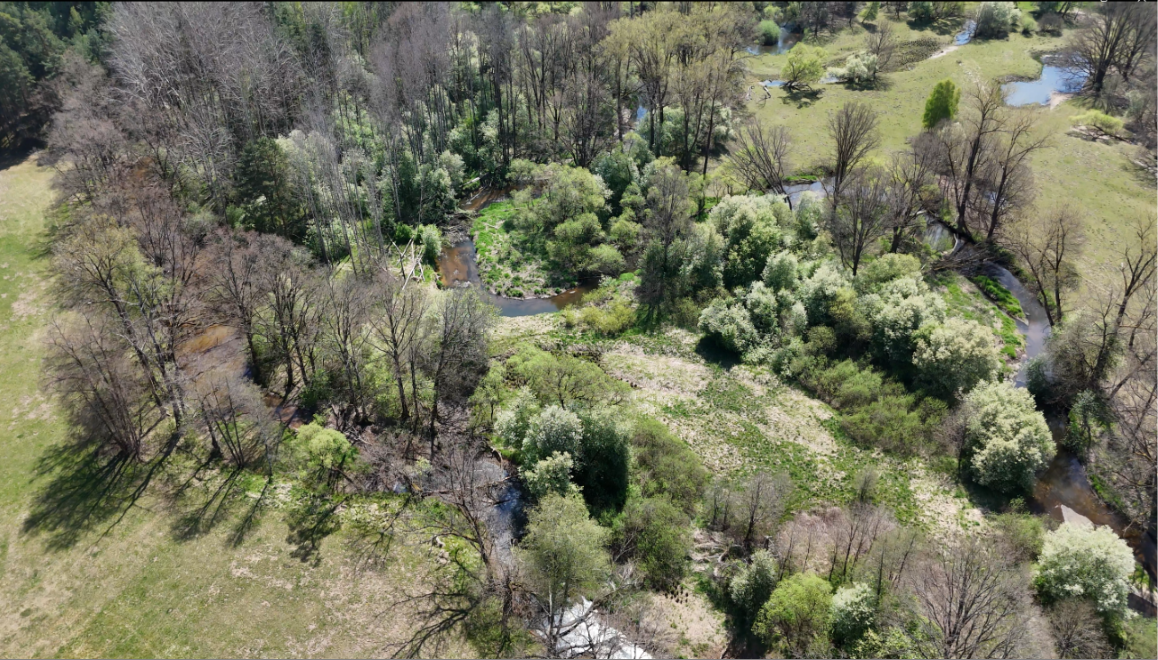
Overgrown oxbows of the river with small pools (upper Lužnice, photo: authors).
Distribution
Weatherfish is one of the fish you rarely see in our nature today. In the Czech Republic and other Central European countries (e.g. Germany, Poland or Belgium) it is therefore listed as endangered/critically endangered species. Yet it once inhabited a vast territory - from north-western France to the Volga basin in the east. In contrast, it is absent from the colder areas of northern Europe or the south of the continent. In some places it has been introduced by man, for example in France in the Rhone basin. Yet much of its original distribution has all but disappeared in recent decades. It is no different here. The weatherfish was once a common part of slow-flowing rivers, pools and oxbows. However, stream alterations, landscape drainage and intensive agriculture have significantly changed its natural environment - and it has disappeared from many places.. Nowadays, we can only find it in a few last localities, for example in the lower and central Pomoraví, in southern Moravia in the basin of the Morava river and its tributaries (the Dyje, Svratka, Jihlava river), in the Třeboň region, in the Poodří region or in the central Polabí region. In this modern landscape, strongly influenced by agriculture, populations of the weatherfish can be found in temporarily filled pools and ditches with conditions comparable to their natural habitats.
Ecology
The weatherfish inhabits mainly still or gently flowing water. It can be found in overgrown oxbows, smaller reservoirs and ponds, where it is less threatened by predatory fish. It spends most of its life at the bottom or buried in the mud, where they create burrows usually 20 to 30 centimetres deep. In the dry season, however, it can burrow much deeper, up to 70 centimetres. It is active mainly at night, so you won't see him in the daytime - which makes his life all the more hidden and mysterious.
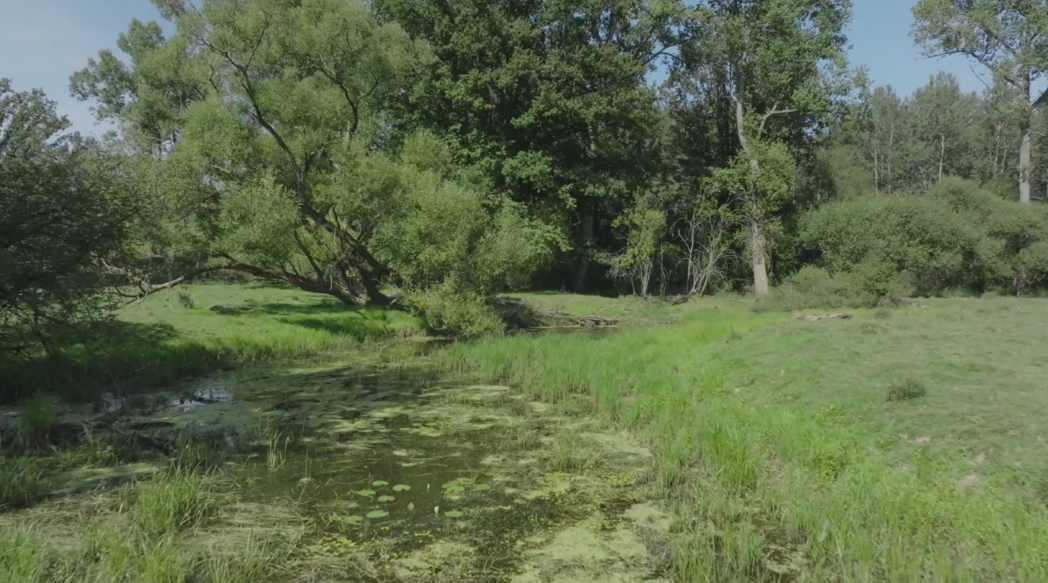
Typical locality of the wetaherfish - the oxbow of the upper Lužnice River (photo Marek Šmejkal).
It spawns in spring from April to June.The spawning is very short and lasts from two to five hours. The female lays her eggs on aquatic plants and roots, often in densely overgrown parts of waters. The male follows her and literally „hugs“ her around his body in the undergrowth - he curls around her dorsal fin in a closed circle. Females are very fertile. A single female can lay tens of thousands of eggs. In about a week (at a water temperature of around 15 °C), the tiny larvae, only a few millimetres long, hatch. These then relatively grow fast - During the first years they grow by more than 4 centimetres a year and by the age of three they reach a length of over 13 cm. It is also around this age that they mature. As they reach adulthood, their growth slows down and older individuals usually measure around 18 to 23 cm, with a maximum of around 30 cm.
As for food, the weatherfish is not picky. It feeds mainly on small invertebrates - for example, molluscs or the larvae of Chironomidae - and does not despise organic debris in the mud.
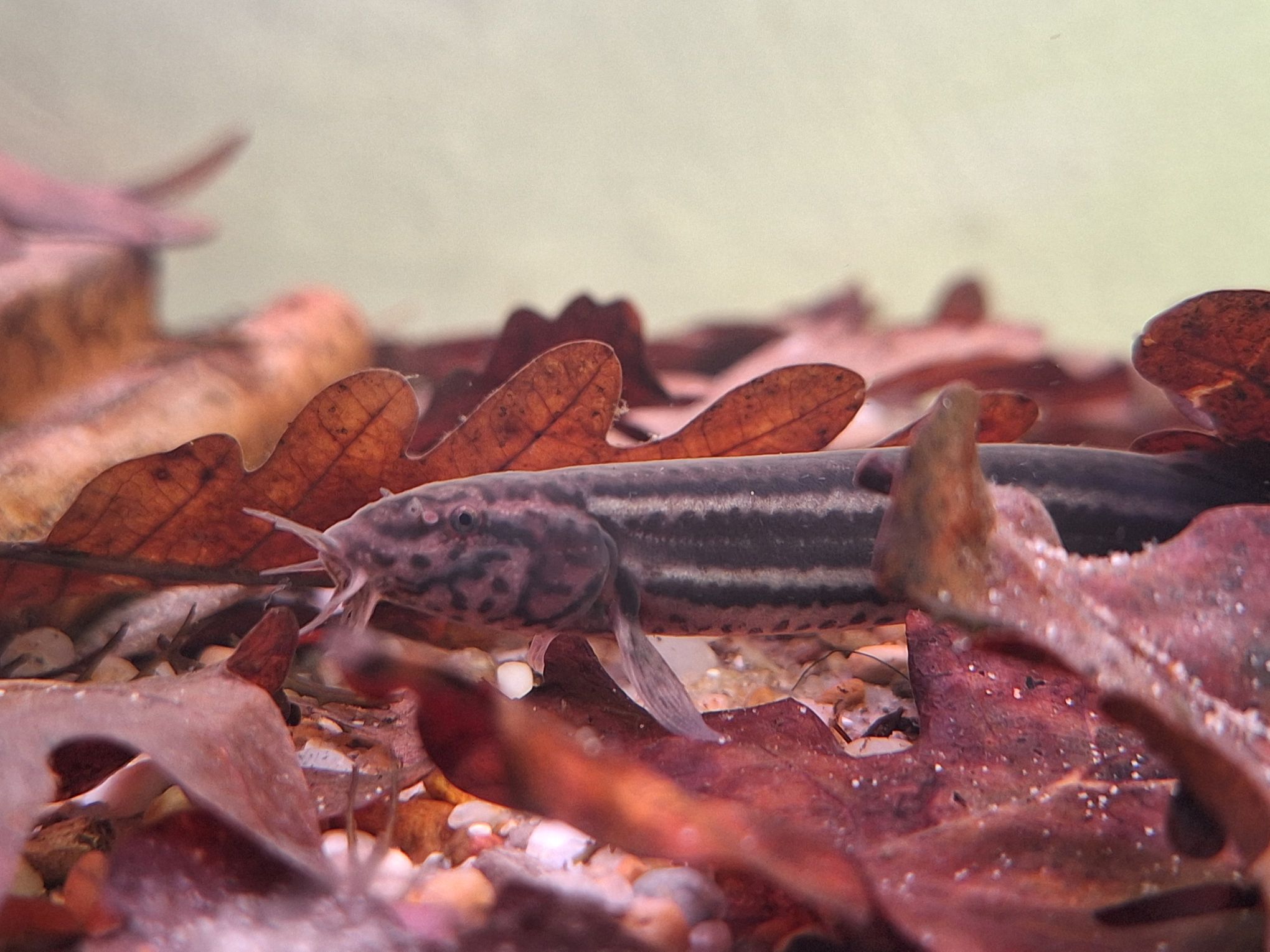
In the past, the weatherfish was one of the favourite hardy baitfish, but today, despite its protection, it is disappearing from the wild and remains an almost unknown species for most anglers.
Survive at any cost: the secret of the weatherfish
The environment where the weatherfish lives is often poor in oxygen - almost uninhabitable for many other fish. But the weatherfish has managed in its own way. It can breathe in other ways besides its gills: periodically swims to the surface for a breath of air, which he swallows and the oxygen from it is absorbed through the wall of the intestine directly into the blood. The remaining air then passes out through his body - often accompanied by the typical squeaking sound. But his „tricks“ don't end there. He can also use breathing through the skin and its larvae have even fine outer gills. Thanks to these adaptations, it can survive even in conditions where oxygen is really minimal. And when the water starts to dry up? The weatherfish simply burrows into the mud and goes into a kind of energy-saving mode - hibernation. In it, they slow down their vital functions significantly and can thus survive an unfavourable period that would mean the end for other fish.
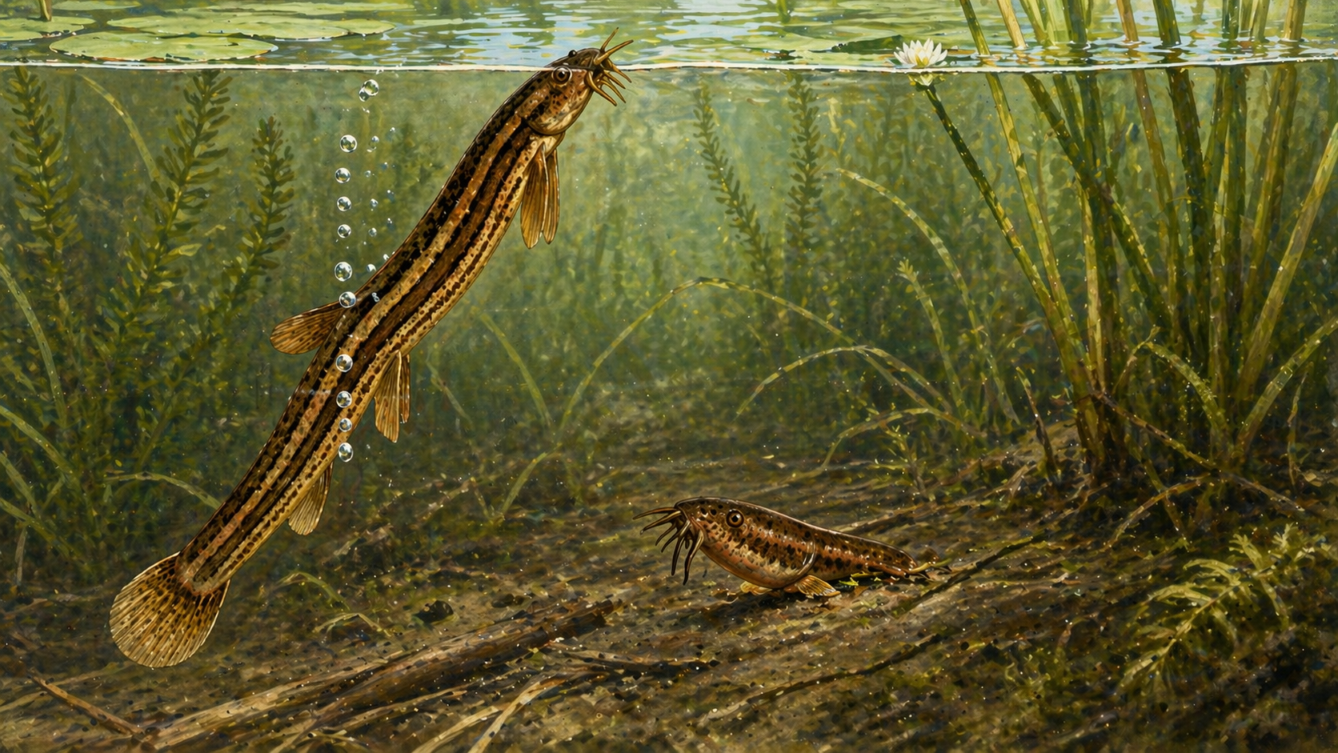
When there is little oxygen in the water, the weatherfish goes to the surface and swallows the air that enters its gut. It's adapted to absorb the oxygen needed to breathe.
The fish that predicts the weather
The English name of the weatherfish „Weatherfish“ comes from the fish's special ability to predict weather changes. This inconspicuous fish can react to changes in the weather. When a storm is approaching and the atmospheric pressure drops (and thus the concentration of dissolved oxygen in the water), the weatherfish comes to life: it swims to the surface and becomes unusually active. People have noticed this peculiarity for a long time, so they used to be kept at home as a living „barometer“, who told them that a change of the weather was coming.
Endangered Master of Survival
The weatherfish is a native species distributed in Europe and western Asia and is an important conservation concern. It is listed as a freshwater fish species in need of international protection (European Union Habitats Directive and Bern Convention, see https://eunis.eea.europa.eu/species/551#legal_status), and on a number of national red lists. In the Czech Republic it is listed as endangered species and is included in the list of specially protected species.
Specially protected species
Act No. 114/1992 Coll., on the Protection of Nature and Landscape, provides special, stricter protection for selected rare and endangered species of plants, animals and fungi. List of specially protected species is listed in the annexes to Decree No. 395/1992 Coll. Protection specially protected species applies to individual specimen, their developmental stages and parts and habitats, and protection of their habitat is also declared, as well as protection of dead individuals, their parts or products. It is forbidden to interfere with their natural development, in particular to capture, keep in captivity, disturb, injure or kill them. It is also not permitted to collect, destroy, damage or relocate developmental stages or used habitats of specially protected animals. It is also prohibited to possess, transport, sell, barter, offer for sale or exchange them.
The decline in its populations is mainly due to loss of habitat. As a result of extensive modifications to the river network, drainage of the landscape and intensive agricultural, its habitats (oxbows and wetlands in the floodplains of large rivers) have begun to disappear. When habitat loss is combined with threats from nearby related invasive species, the impacts can be even greater. Such a scenario is currently unfolding for the weatherfish and the closely related of the invasive Oriental weatherfish (Misgurnus anguillicaudatus).
An uninvited guest from Asia: the Oriental weatherfish
The Oriental weatherfish went out into the world back in 19th century. Around 1870, Asian immigrants brought it to Hawaii as a food source, while it was introduced to the mainland USA a little later by aquarists - as a fish for aquariums and garden ponds. From there, it was just a step to getting into the wild. Today, it can be found in many places around the world, from Australia to Europe to South and North America. In Europe these non-native siskins were first recorded in Germany, then in Italy, Spain and the Netherlands, from where they are now spreading to Belgium, southern Germany and Austria. In addition to the competition created by the fact that the two species use very similar habitats and resources, their close relationship also poses a risk. This increases the likelihood that they will cross. However, there is some confusion in the taxonomy of the various populations of non-native Oriental weatherfish found in Europe, as they are assigned to species M. anguillicaudatus, M. bipartitus, Paramisgurnus dabryanus or M. mizolepis. Their differentiation is difficult and requires a specialist. The species also interbreed with each other, which makes the whole identification process even more difficult.
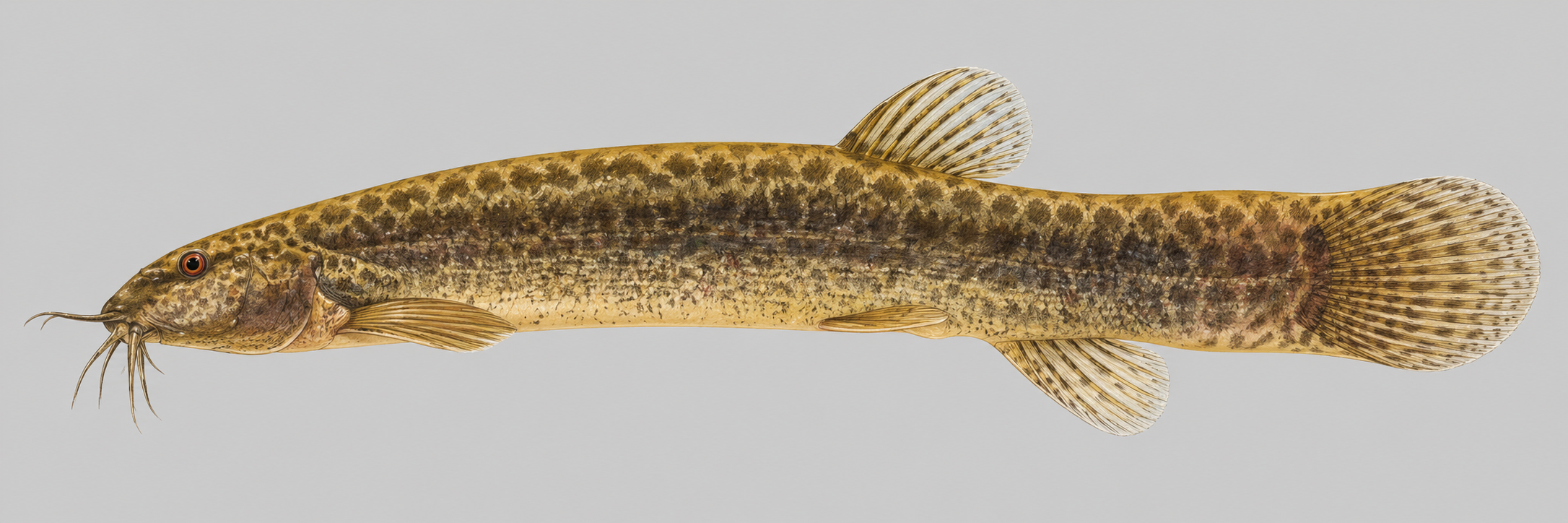
Oriental weatherfish (Misgurnus anguillicaudatus). Photo: Zachary Randall.
How to recognize our weatherfish from other fish species?
Basic characters
- The body is distinctly flattened and elongated from the side
- Fins are rounded (pectoral and pelvic fins are slightly longer in males than in females)
- Five pairs of whiskers around the mouth (the most of any of our fish)
- The sides are covered with fine scales, which are two to three times more numerous than in other fish species
- Typical colouration - longitudinal light and dark stripes on the sides of the body (the shade varies in different locations, e.g. in muddy waters individuals are darker)
- Size around 15-25 cm (maximum 30 cm), weight up to 150 g
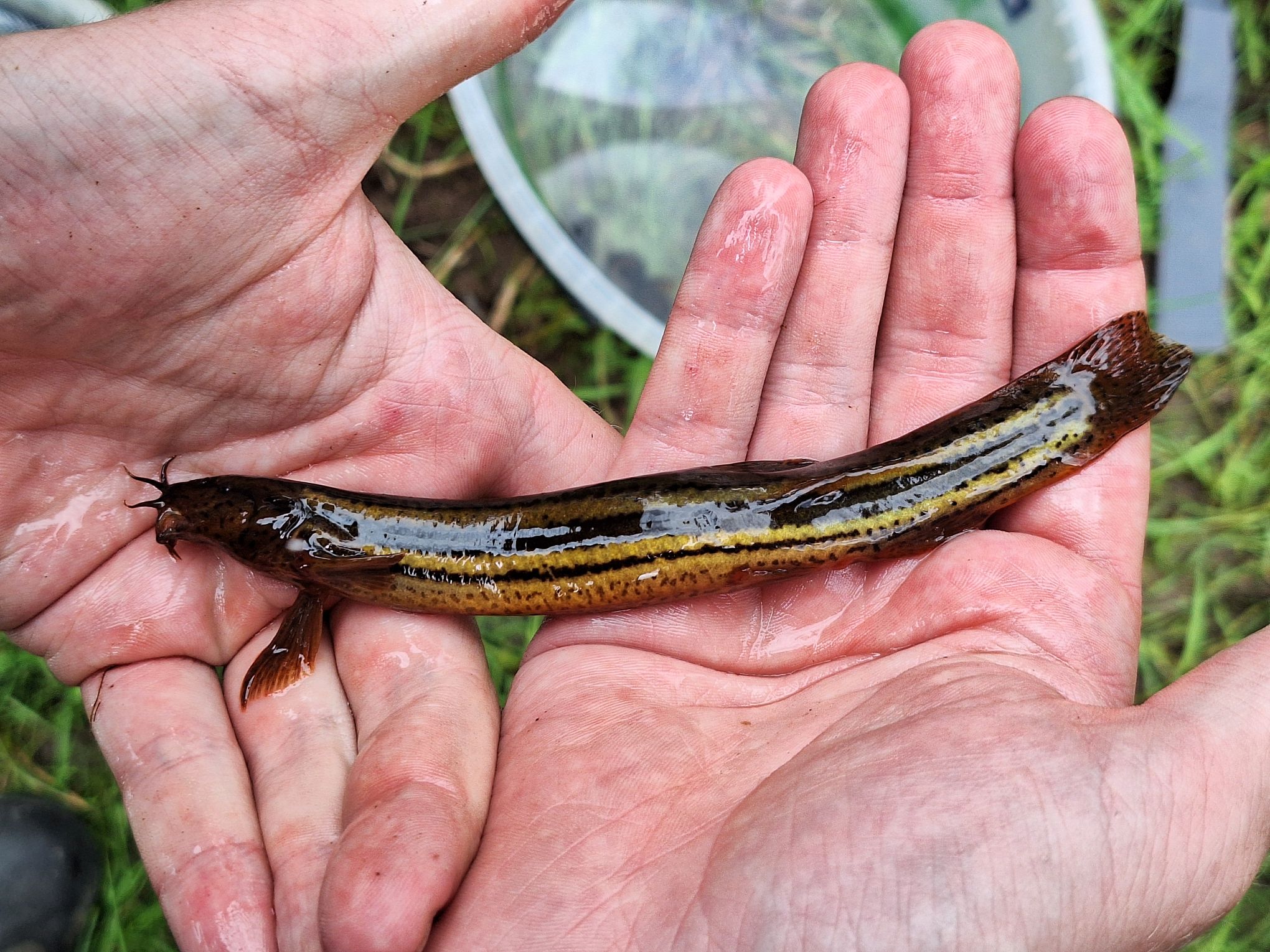
Possibilities of substitution
Distantly, the weatherfish is similar to species that have the same body structure and live in a similar way:
- The stone loach (Barbatula barbatula)
- The Danubian spined loach (Cobitis elongatoides)
- The Balcan spined loach (Sabanejewia balcanica)
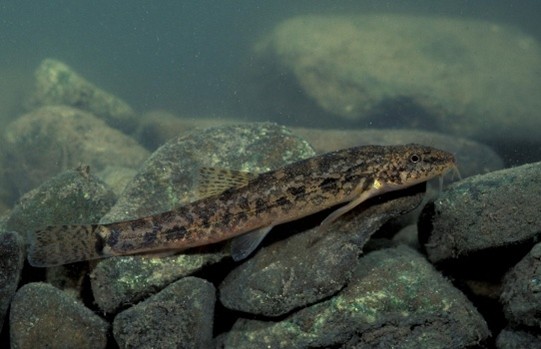
The stone loach
- 6 barbels around the mouth
- Marbled colouring on the sides
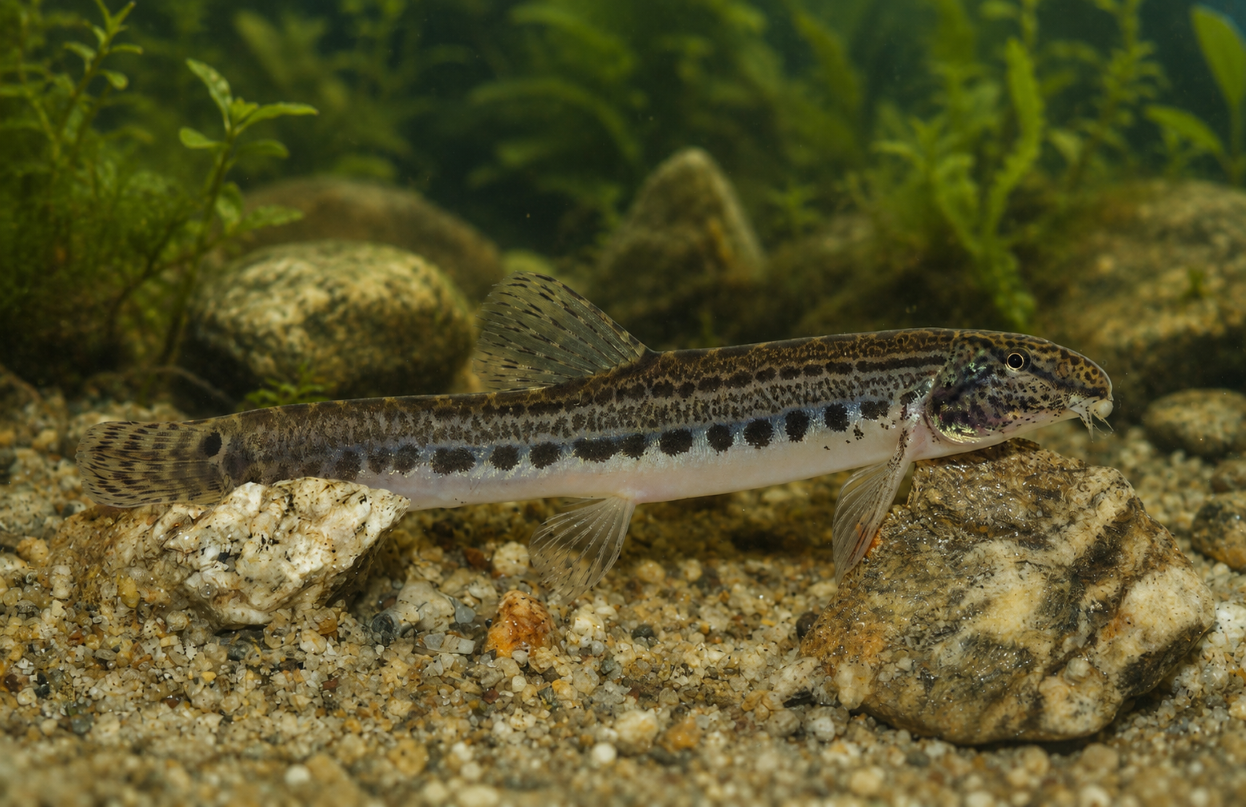
The Danubian spined loach
- 6 barbels around the mouth
- A number of spots on the sides
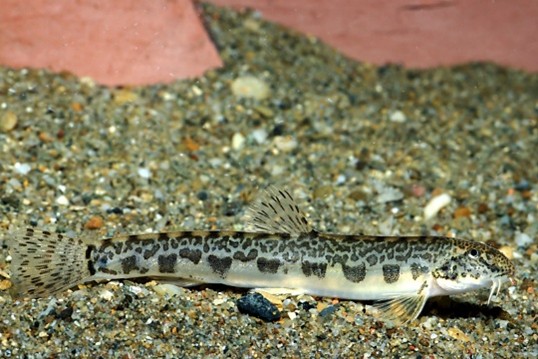
The Balcan spined loach
- 6 barbels around the mouth
- Extremely rare (occurs only in southern and eastern Moravia)
- The spots on sides are larger than on the The Danubian spined loach, and the spots on the back are more pronounced overall
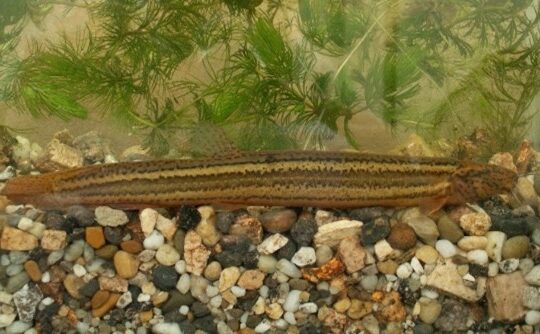
Weatherfish
- 10 barbels around the mouth
- Stripes on sides of the body
Where can I find out more
Article on Ekolist:
Scientists want to halt the decline of the common dace and the striped minnow, small fish that were once common in Czech waters.
Wanzenböck, J., Hopfinger, M., Wanzenböck, S., Fuxjäger, L., Rund, H., & Lamatsch, D. K. (2021). First successful hybridisation experiment between native European weatherfish (Misgurnus fossilis) and non-native Oriental weatherfish (M. anguillicaudatus) reveals no evidence of postzygotic barriers. NeoBiota, 68, 29–50.
https://doi.org/10.3897/neobiota.69.67708
Šmejkal M, Rektor A, Thomas K, Gorule PA, Tripathi SR, Stepanyshyna Y, Ložek F, Bláha M, Boukal D (2025). Negative impact of the invasive topmouth gudgeon (Pseudorasbora parva) on population growth of a native fish species, the sunbleak (Leucaspius delineatus). NeoBiota 101: 223–242.
https://doi.org/10.3897/neobiota.101.165877
Šmejkal, M., Dočkal, O., Thomas, K. et al. First record of the highly invasive Chinese sleeper Perccottus glenii Dybowski, 1877 (Perciformes: Odontobutidae) in the Elbe River Basin, Czechia. Aquat Ecol 58, 125–130 (2024).
https://doi.org/10.1007/s10452-023-10036-8
Wichelen et al. The weatherfish, a vanishing icon of cultural heritage in lowland Europe. Nature and Forest Research Institute. 1st International Conference on the Cultural Significance of Fish, ELY, UK.
https://purews.inbo.be/ws/portalfiles/portal/130309710/European_weatherloach-Ely-june_2025_.pdf