
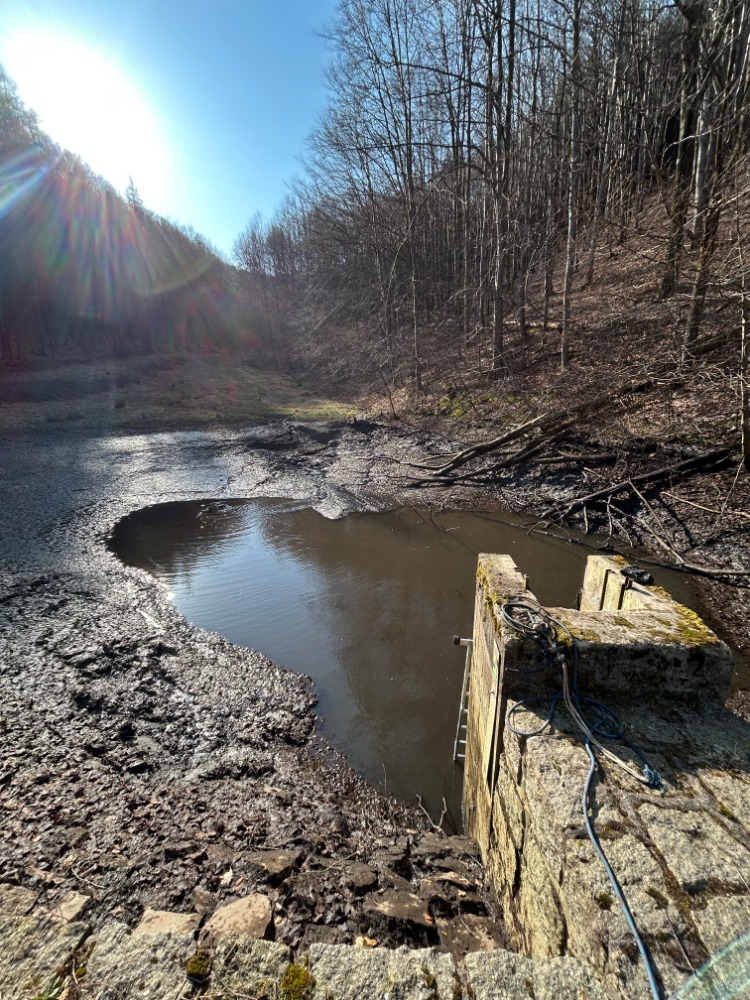
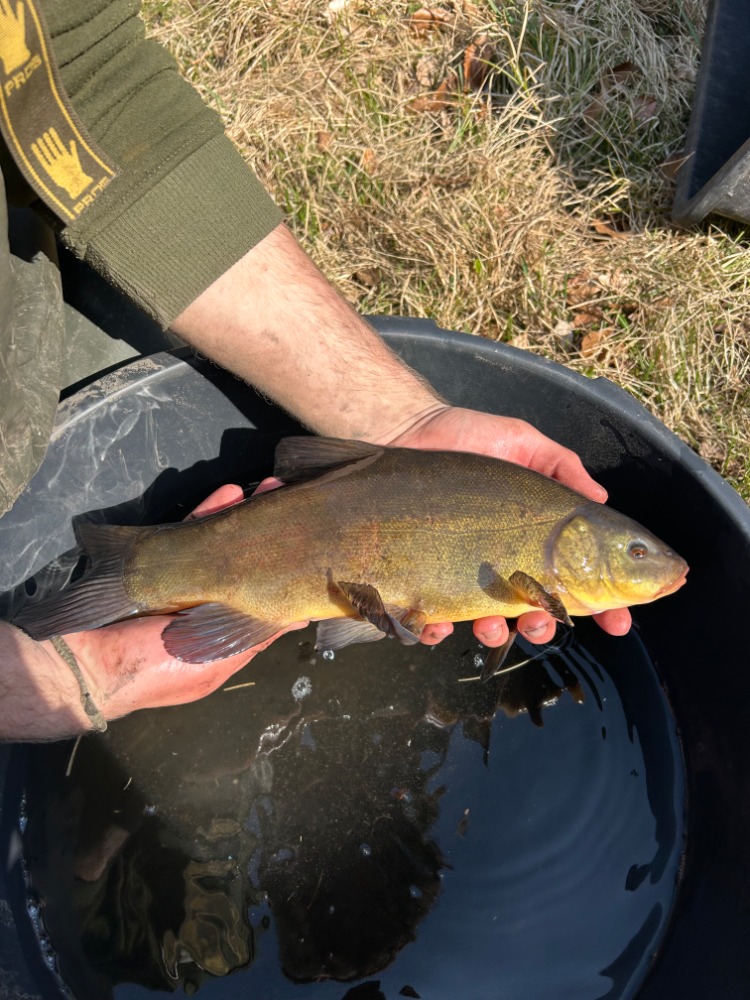
In the autumn of 2025, one of the ponds in the Opava region was harvested and prepared for future breeding of the crucian carp. During the catching a large number of the common nase, several grass carp and tench were caught. After the catching, the pond was completely drained and remained without water over the winter. Freezing the bottom is an important part of pond care - it helps to reduce the occurrence of diseases and invasive species that might remain, contributes to the recovery of the environment and creates suitable conditions for further fish breeding.
This spring (2026) we plan to refill the pond and stock the crucian carp from the local population of the nearby reservoir. The pond will also provide refuge for other native and endangered fish species. Our aim is to promote their long-term survival and enhance the biodiversity of the whole site.
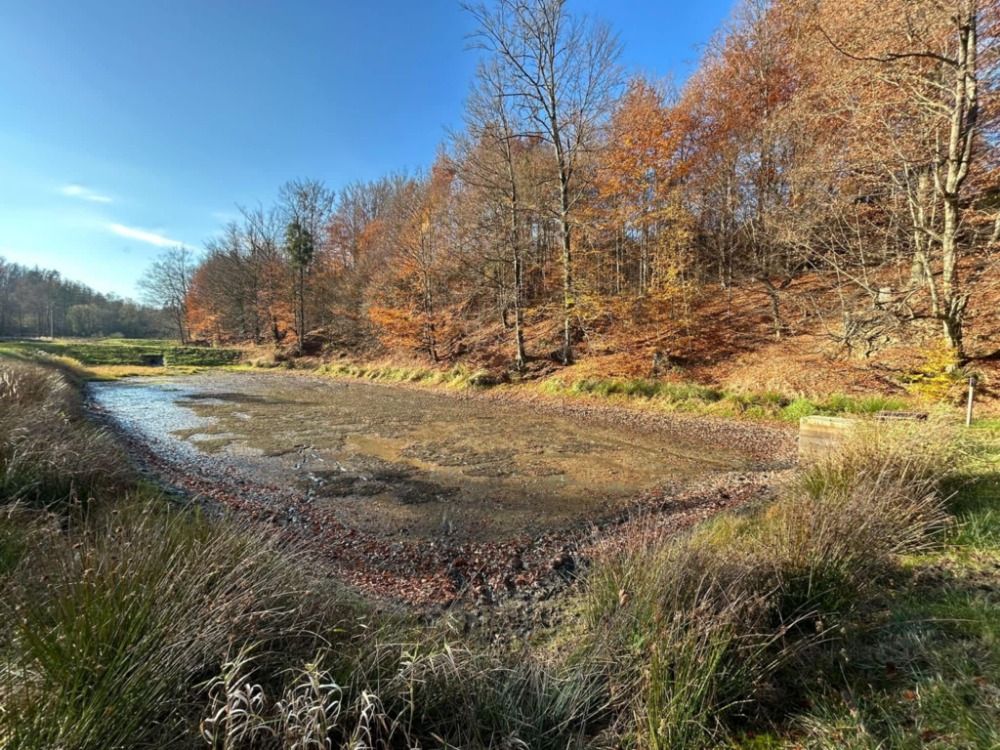
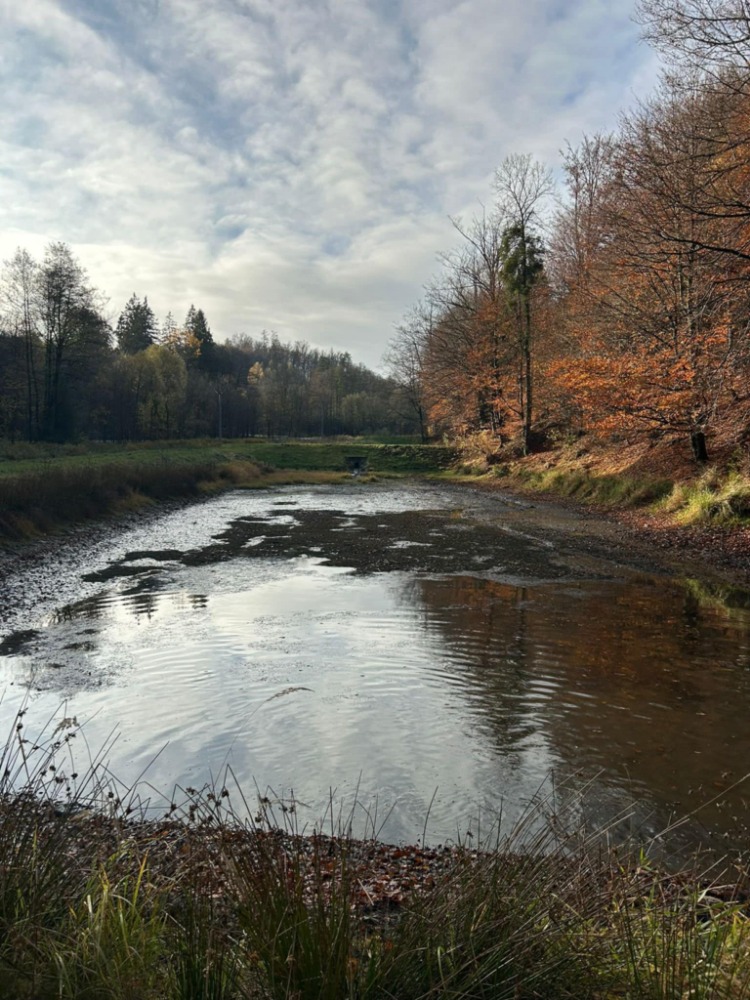
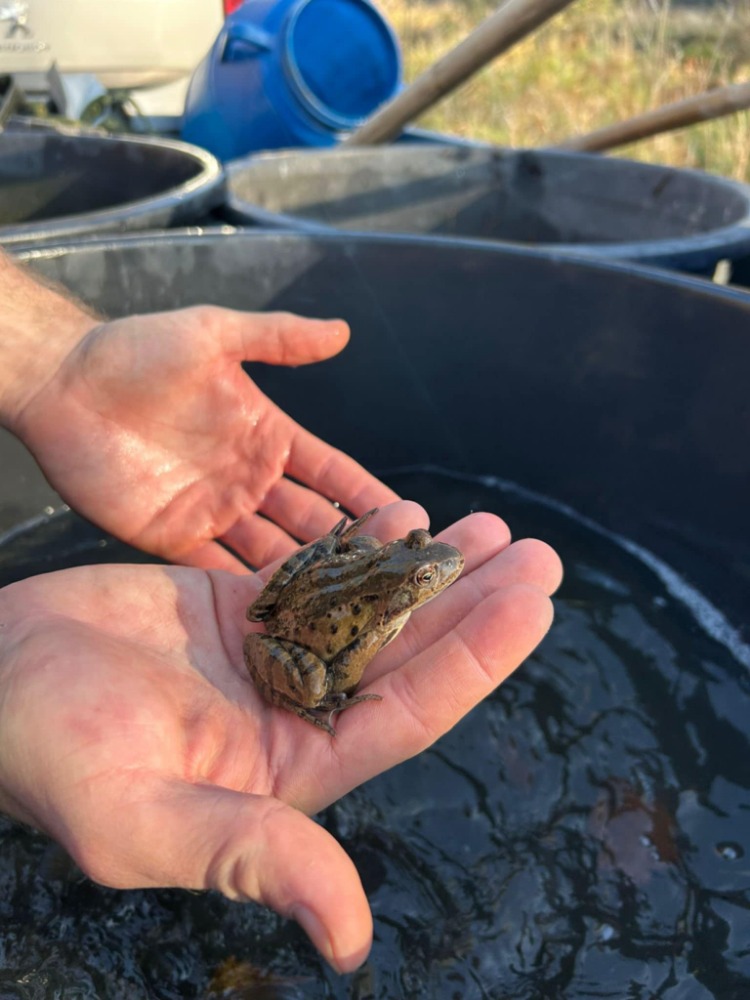
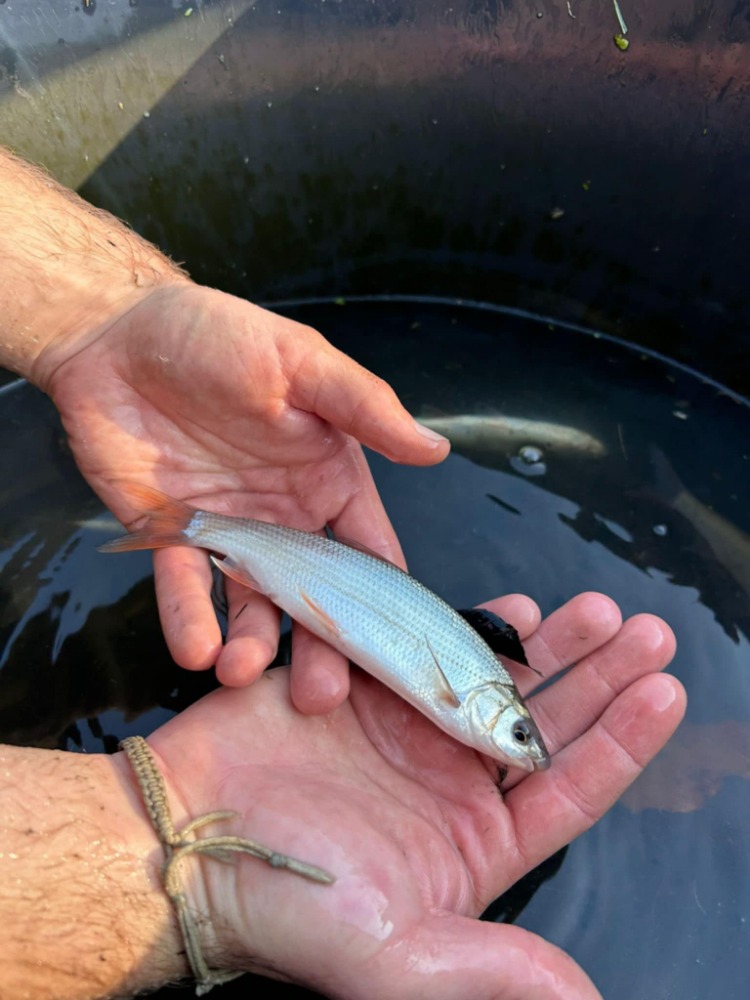
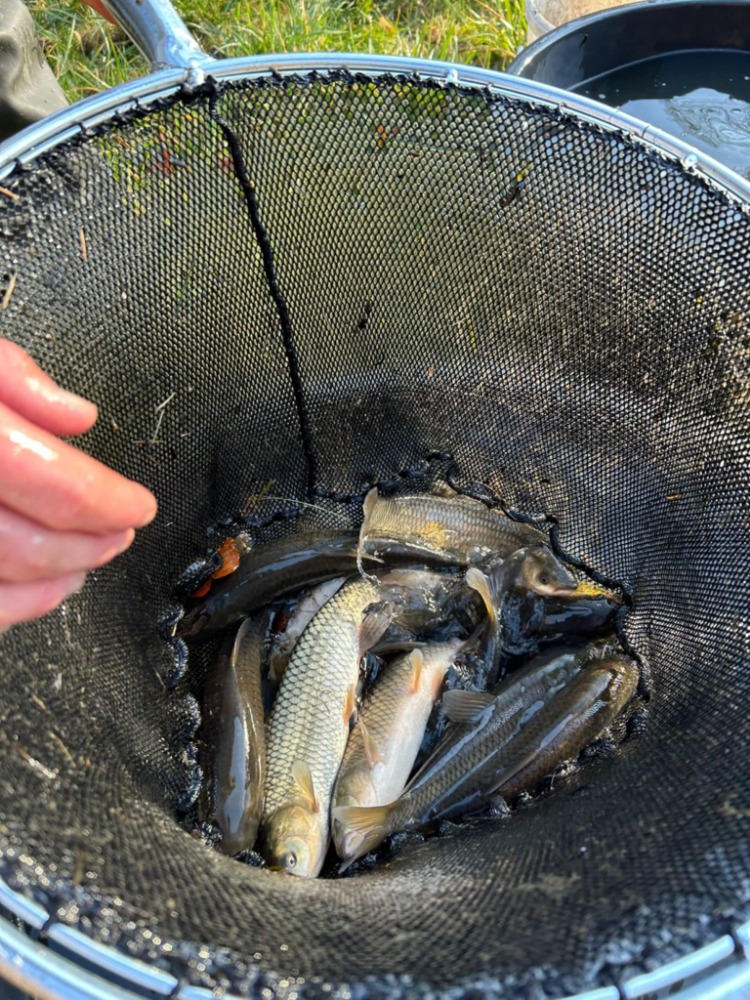
At the end of March, a control catch of the Liberec reservoir took place, the main objective of which was to evaluate the existing fish stock before the planned repatriation of the crucian carp. The catch took place in March 2026 and continued the long-term effort to support this now critically endangered species of our ichthyofauna.
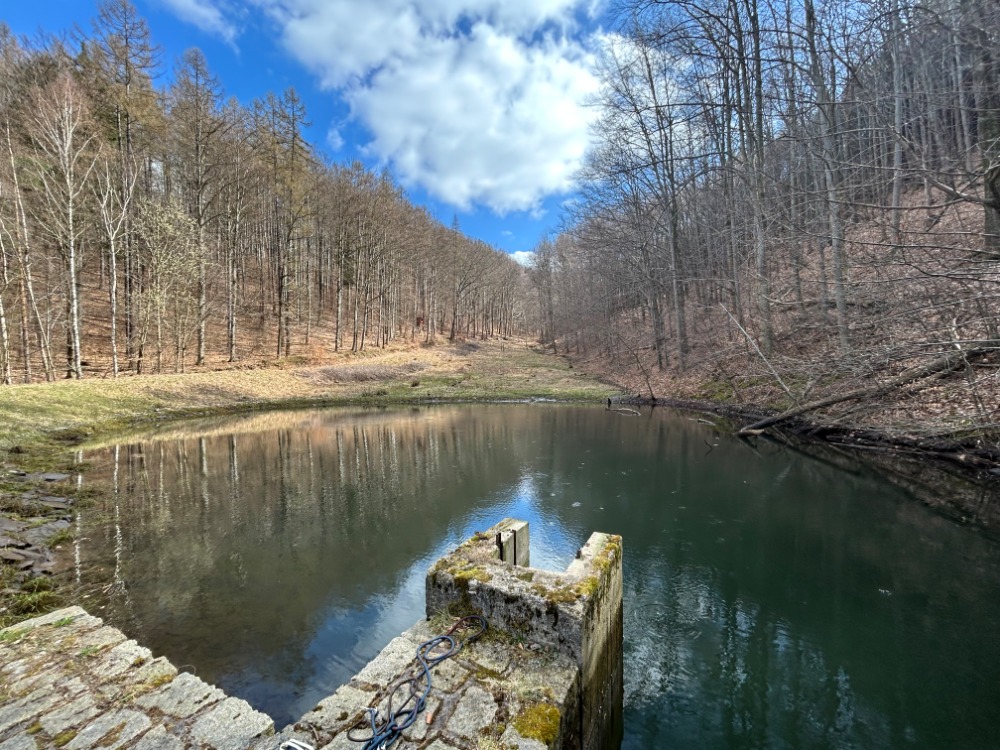
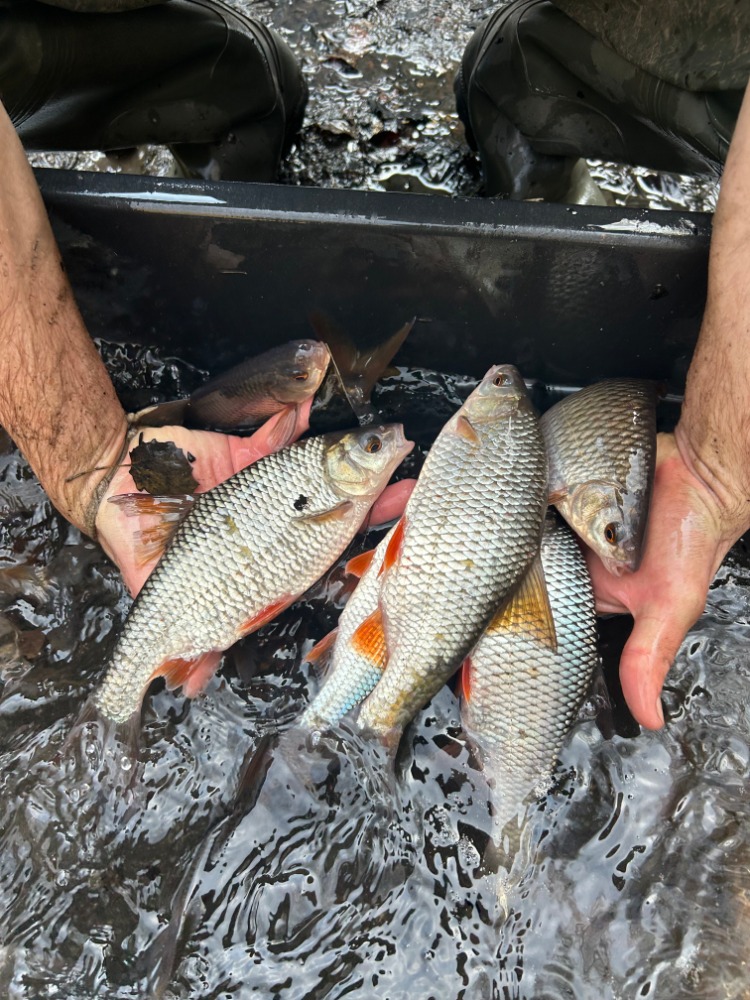
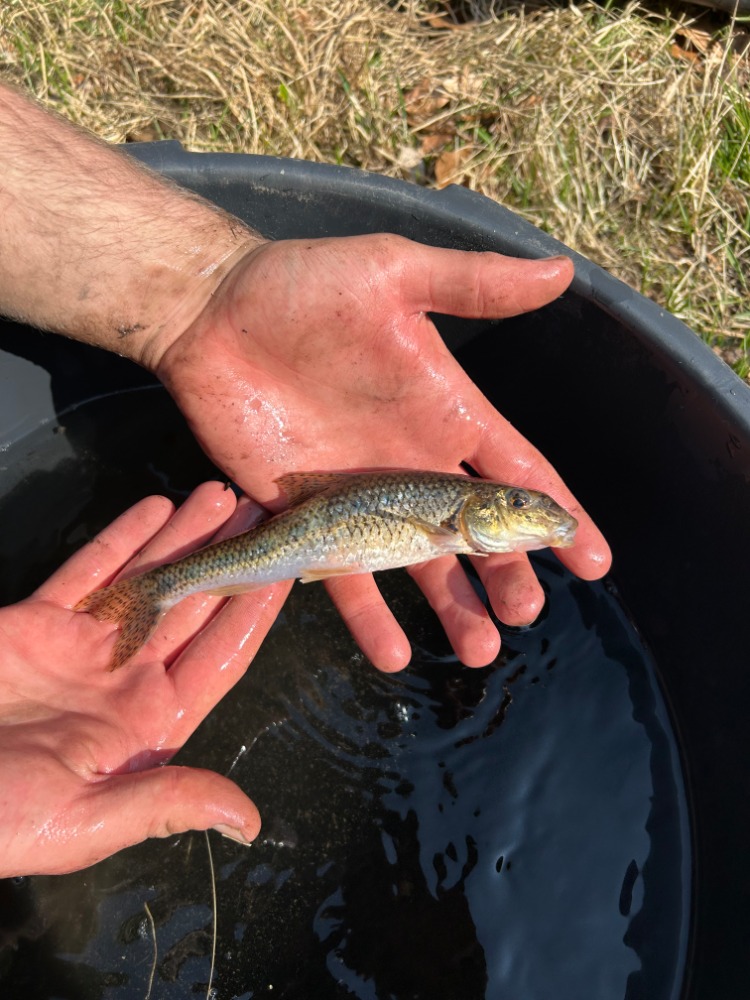
Approximately 100 perch individuals, a large number of common roach, several gudgeon, tench, stone loach and three large non-native gibel carp were caught. Some of the species, particularly the stone loach and gudgeon, were returned to the pond after control as they do not pose a significant risk to the future crucian carp population and are also natural components of the local aquatic communities. In contrast, the reduction of some fish species was deliberate. In particular, perch are an important predator of fry and juvenile crucian carp, which are very sensitive to predation pressure in the early stages of development. Another problematic species is the gibel carp, a non-native invasive fish that is capable of displacing the crucian carp through competition for food and space. In addition, hybridisation between the two species is occurring in some locations, posing a serious risk to the maintenance of genetically pure crucian carp populations. Therefore, limiting the abundance of competing and predatory species is an essential step for successful rearing. After the end of the fish harvest, the technical condition of the dam were inspected. The pond was then immediately refilled and within two days the water level returned to its original state. At the same time, an information sign dedicated to the repatriation of this critically endangered species was installed for the public.
The stocking of the crucian carp is planned for June this year. Thanks to the measures taken, the reservoir is now ready to provide suitable conditions for the establishment of a stable and promising crucian carp population.
The whole event took place with the help of Vojtěch Hendrych and Matyáš Kareš, who take care of this site and in the future it will serve as a source of breeding stock of the crucian carp for North Bohemia.
Text and photo: Vojtěch Hendrych and Matyáš Kareš